
Arrested While in College?
College student arrested, not a headline any parent wants to read. An arrest during college can shift a student’s path in ways many do not expect. What feels like a short-term mistake can disrupt academics, finances, and long-term career goals. Throughout Florida, there are many options for college. The closest major University to our office is the University of Central Florida. Orlando being the tourist mecca that it is, lends itself to an abundance of opportunity where young and naïve college students can get themselves into trouble. As college students learn to balance life between academics and social, they also need to realize there are consequences for their actions.
Our team at Central Florida Bonding sees an increase in arrests every year during spring break. Charges often include DUI, drug possession, intoxication, fake IDs, and criminal mischief. These situations often begin with poor decisions in high-energy environments, where a single night can significantly impact a college student’s future.
Immediate Academic Consequences After an Arrest
An arrest can disrupt a student’s academic routine almost immediately, creating challenges that extend beyond the initial incident. These disruptions often affect attendance, performance, and overall academic standing.
1. Missed Classes and Academic Performance
Time in custody or in court can lead to missed lectures, exams, and deadlines. Professors are not required to excuse absences tied to legal issues. A few missed assignments can lower a GPA quickly and affect academic standing.
2. Disciplinary Action from Colleges and Universities
Most colleges enforce student conduct codes that apply both on and off campus. An arrest can trigger disciplinary review. Schools may place students on probation, suspend them, or impose restrictions on campus involvement.
3. Academic Probation and Loss of Good Standing
Falling behind academically or violating conduct policies can result in academic probation. This status can limit course loads, restrict participation in activities, and increase the risk of suspension if performance does not improve.
An arrest can directly impact a student’s ability to continue their education and to find a successful career post-college. Serious charges, especially those involving violence or drugs, can lead to suspension or expulsion as schools enforce conduct policies to protect campus safety or loss of scholarships or financial aid. Beyond that, many colleges, graduate programs, and jobs require disclosure of criminal history during the application process, and this information can influence decisions, making it more difficult to advance.
Let’s look into each of these further.
1. Impact on Enrollment and Continued Education
○ Removal from Leadership or Student Organizations
Student leaders represent their institutions. An arrest can lead to removal from clubs, athletic teams, or leadership roles. That loss affects both campus involvement and financial aid, and it weakens future resume strength.
○ Risk of Suspension or Expulsion
Serious charges such as violence or drug-related offenses can lead to suspension or expulsion. Each institution sets its own standards, but many act to protect campus safety and reputation.
○ Barriers to Transferring or Reapplying
Many college and graduate applications ask about criminal history. A student must disclose certain charges or convictions. That disclosure can affect admissions decisions and delay educational goals.
2. Financial Aid, Scholarships, and Funding Risks
○ Federal Financial Aid Eligibility Concerns
The U.S. Department of Education states that drug convictions can affect eligibility for federal student aid. Even temporary ineligibility can create a funding gap that forces students to pause their education.
○ Loss of Scholarships or Grants
Many scholarships include conduct clauses. An arrest or conviction can lead to revocation. Losing funding mid-semester can create financial strain that students cannot easily recover from.
○ Loss of Campus Employment Opportunities
Students who work on campus often must follow strict conduct policies. An arrest can result in termination. Losing income can make it harder to cover tuition, housing, or daily expenses.
3. Internship Opportunities and Employment After Graduation
○ Background Checks for Internships
Many employers conduct background checks before offering internships. Certain charges can disqualify candidates. This limits access to hands-on experience that builds a career foundation.
○ Professional Licensing and Career Path Limitations
Fields such as healthcare, law, and finance often require licensing. Licensing boards review criminal history. Some charges can delay or block entry into these professions.
○ Employer Background Checks and Hiring Decisions
Employers often review criminal records during the hiring process. The U.S. Equal Employment Opportunity Commission allows background checks but requires employers to consider the nature of the offense and its relevance to the position. Even so, a record can reduce opportunities in competitive markets.
What to do if a college student is arrested?
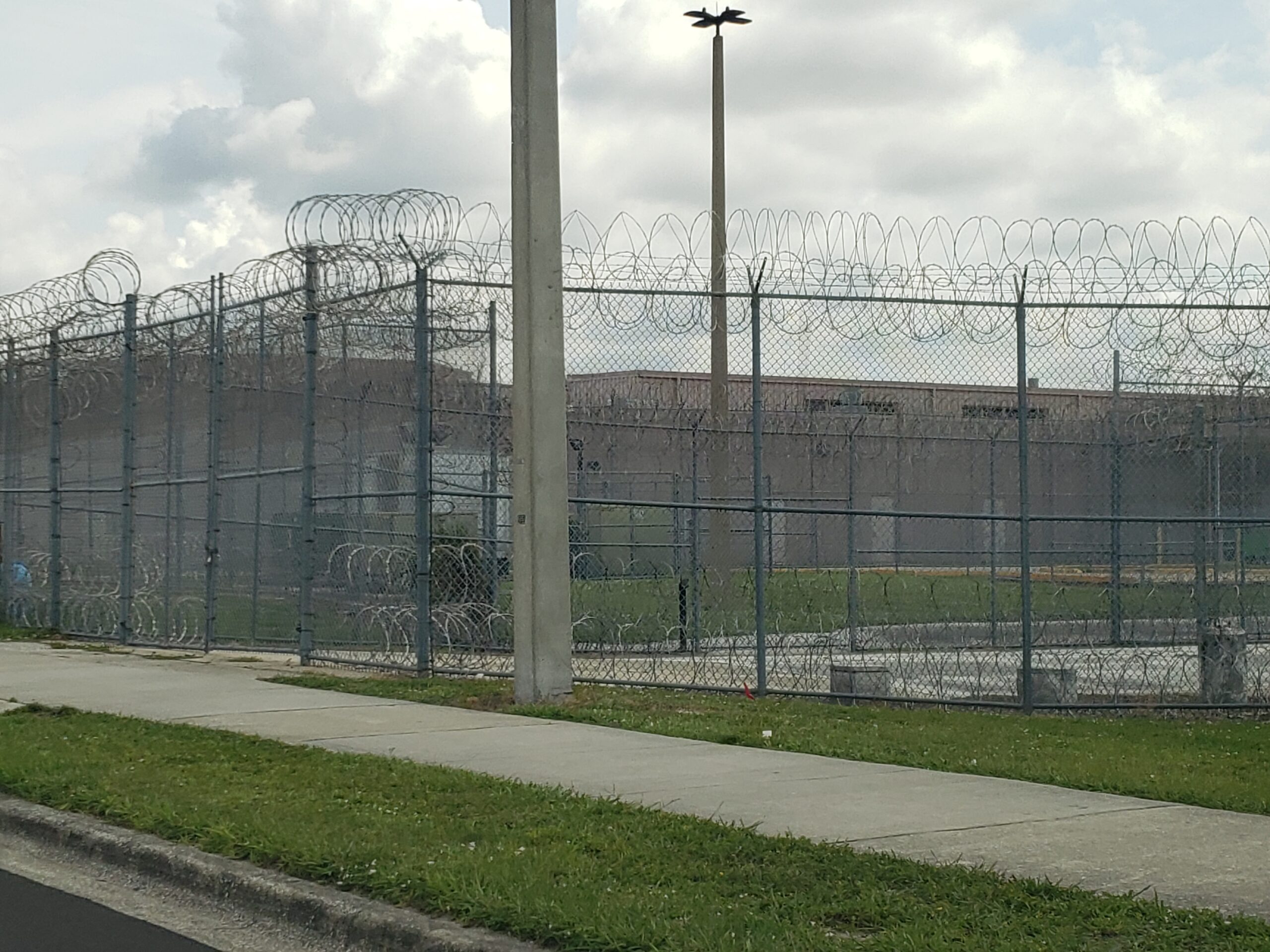
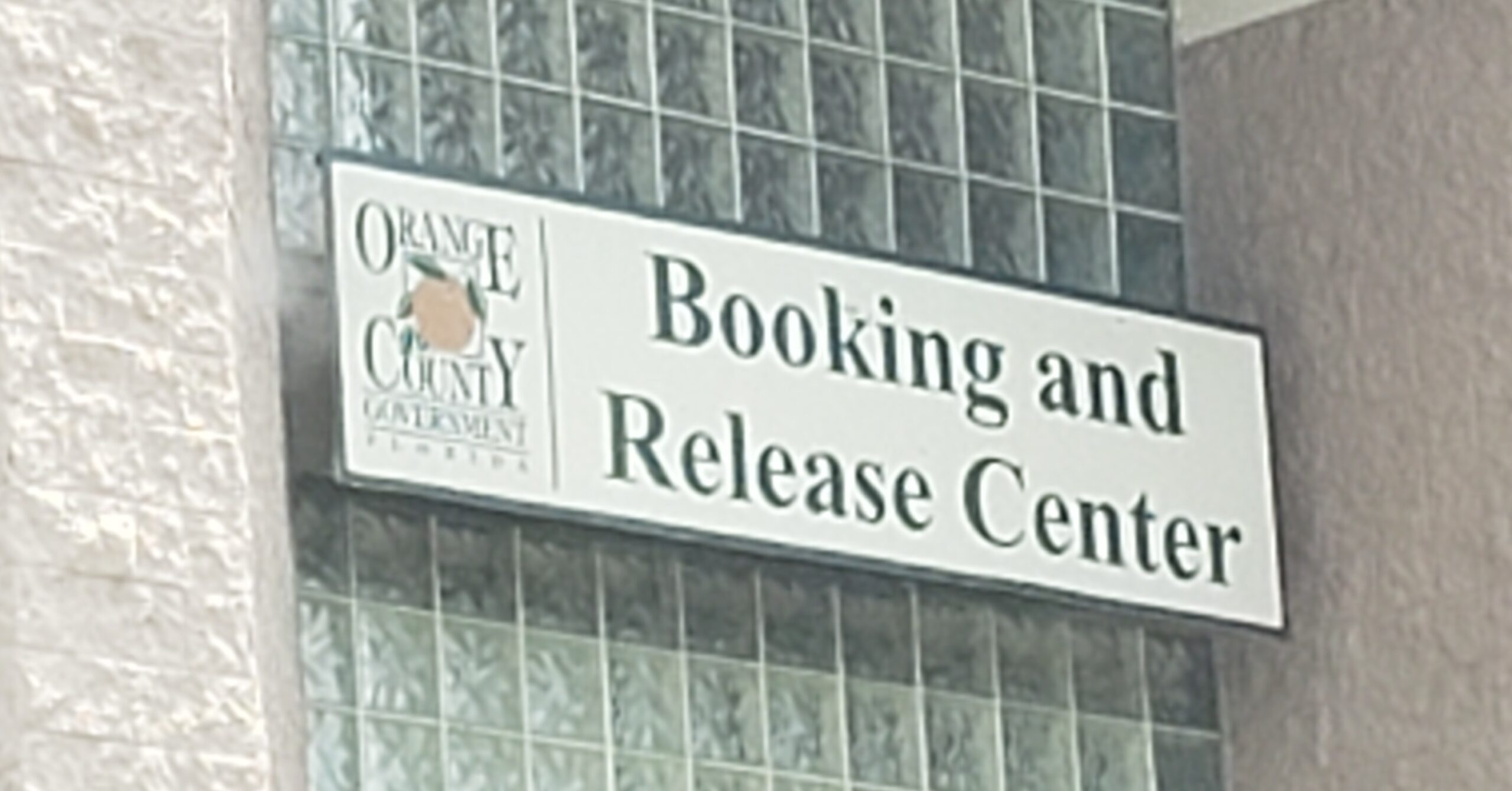
College shapes future opportunities. An arrest can interrupt that progress in serious ways. Smart decisions protect not only the present moment but the path ahead. After arrest, the individual is booked at the Orange County Jail. Hiring a bail bondsman to post bail will allow the defendant’s release while the case proceeds. Acting quickly can reduce time spent in custody.
Central Florida Bonding provides fast bail bond services. We are located across from the Orange County Jail. Our team helps families understand the process and secure release without delay. Call 407-841-3646 for immediate assistance.
We offer bail for the following charges: