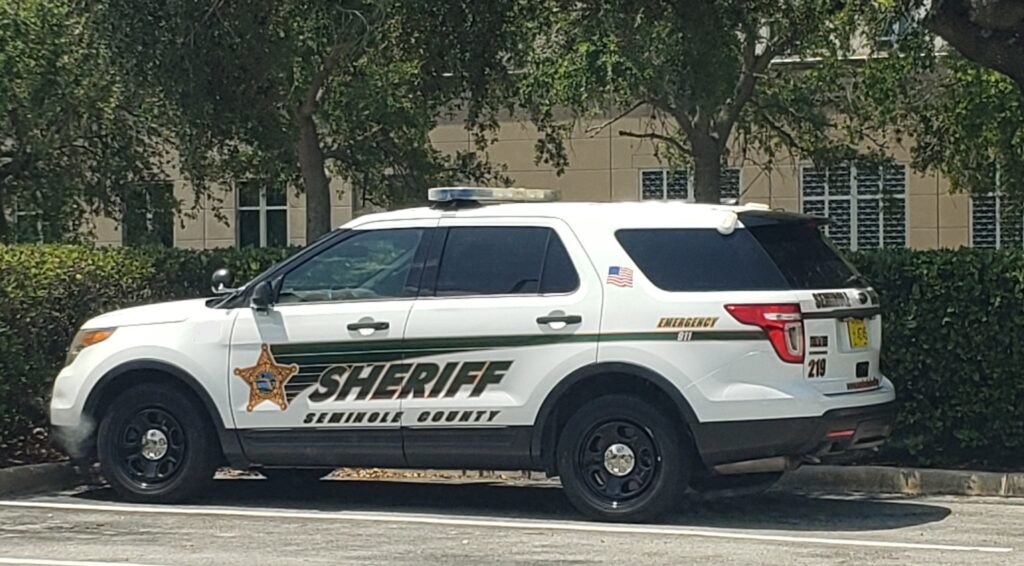
Were you affected by the recent government shut down? A prolonged federal shutdown stalls funding, delays SNAP issuance, and disrupts grocery budgets. Panic builds quickly when families are unsure when their next food benefit will be loaded. Some people start discussing group theft online, from “hit this warehouse store together” to “fill the carts and run.” Those acts do not qualify as survival. They qualify as criminal conduct under Florida law.
This current shutdown is now the longest in U.S. history since the 35-day shutdown in 2019. Florida SNAP households still remember that shock. We saw similar fear developing across Orlando, Pine Hills, and Conway. Retailers increased security. Law enforcement increased visibility. The environment became ripe for impulsive decisions that can turn a temporary hardship into a felony record.
SNAP and How a Shutdown Affects Funding
SNAP stands for the Supplemental Nutrition Assistance Program. It helps low-income households pay for groceries through an EBT card. The funds come from federal appropriations passed by Congress. If Congress fails to approve new appropriations during a shutdown, then USDA cannot issue new money into the system.
Florida remains one of the top states for SNAP participation due to its large population. Over three million Floridians use SNAP, according to the most recent FNS federal data. Working families rely on that bridge. Many households include military, fixed-income seniors, disabled adults, and service workers whose pay is unpredictable can be affected. When a shutdown freezes the pipeline, those families experience an instant shortfall. That triggers panic, which leads to poor judgment in local stores.
Looting in Florida
Florida law does not include a specific crime called looting. However, any person who enters a business to steal property faces charges under existing theft statutes. The public uses the term “looting” when groups rush into stores to steal goods. Prosecutors classify that type of conduct under:
- Burglary
- Grand Theft
- Petit Theft
- Organized Retail Crime
The charge depends on the dollar amount stolen, the method of entry, and whether multiple people coordinated the theft across numerous locations.
“Looting” and Other Crime Consequences
Burglary of a structure occurs when a person enters a business with the intent to commit a crime inside. The door can be unlocked. That does not limit the charge. Burglary is a felony. Florida also classifies organized retail theft as a felony. That charge increases if the act involves multiple stores or if the theft includes collecting large quantities. Merchandise value determines whether an offense is classified as grand theft or petit theft. Under Florida law, grand theft begins at $750. Grand theft is a felony. Petit theft applies to lower value amounts. That does not mean the consequences feel mild. A conviction can restrict employment and professional licensing.
Florida law allows penalty escalation if a theft occurs during a civil disorder or declared emergency. Prosecutors can request harsher sentencing because the conduct poses a threat to public safety during a volatile period. People who follow herd behavior online often forget this detail. They also forget that cameras cover almost every aisle and exterior parking area in modern retail.
Hunger Does Not Erase Legal Accountability
Judges may consider motive during sentencing, but necessity does not erase the act. The justice system cannot excuse mass theft because someone needed groceries. That creates precedent and destabilizes security statewide.
Orlando area residents have options during federal benefit delays. Orange County partners with local nonprofits that distribute food every week. Churches run grocery support programs. Feeding Florida lists distribution sites. City directories list food banks that serve the public regardless of the timing of federal benefits. People avoid legal trauma if they use real assistance rather than split-second criminal decisions.
If An Arrest Happens, Call Central Florida Bonding
If law enforcement arrests someone for theft or burglary, then fast release matters. Central Florida Bonding is located in the Cox Plaza across from the Orange County Jail. Our office helps families secure release quickly. Call 407-841-3646. We post bonds for theft, burglary, and other criminal charges. We are available 24-hours a day, 7 days a week. Contact us if you or a loved one have been arrested.