Bail Bond Co-Signer - What To Know
What Is a Co-Signer on a Bail Bond and What Are the Risks?
When someone is arrested in Central Florida and cannot afford the full bail amount, a bail bond is often the fastest way to secure release. In many situations, that process requires a co-signer. People agree to co-sign every day without fully understanding what they are agreeing to. Co-signing a bail bond is not a simple favor. It creates a binding legal and financial obligation with serious consequences if the defendant fails to meet court requirements.
Understanding these responsibilities before signing protects more than just the defendant. It protects the co-signer as well.
What does a co-signer on a bail bond actually do?
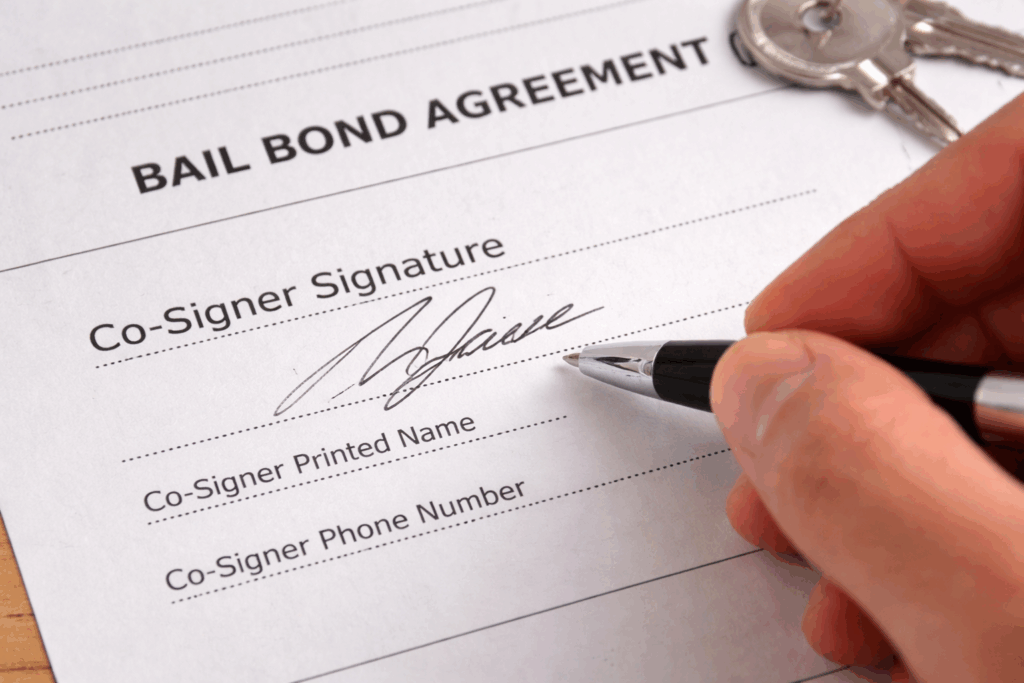
A co-signer agrees to take responsibility for the bail bond on behalf of the defendant. While the bail bond agency posts the bond with the court, the co-signer guarantees the defendant will attend every court appearance and comply with all release conditions.
If the defendant violates those conditions, the court holds the bail bond company accountable, and the bail bond company then looks to the co-signer for recovery.
Why bail bonds require a co-signer
Judges set bail to reduce the risk of flight and ensure defendants return to court. Bail bond agencies assume significant financial risk when posting bonds. Requiring a co-signer reduces that risk by imposing financial accountability beyond the defendant.
Who Can Be a Co-Signer?
Most bail bond agencies require co-signers to be at least 18 years old, financially stable, and able to verify income and identification. Local residency often matters because proximity makes ongoing communication and oversight more manageable.
Legal and Financial Obligations of a Bail Bond Co-Signer
Signing a bail bond creates a legally enforceable contract. Once signed, obligations remain in effect until the court officially releases the bond.
●Responsibility for the Full Bail Amount
If the defendant fails to appear in court, the judge may order forfeiture of bond. Florida law allows courts to move quickly after a missed appearance. The co-signer may become responsible for the entire bail amount, not just the premium paid.
●Court Appearance and Compliance Oversight
Courts do not notify co-signers of court dates or schedule changes. The co-signer must stay involved by ensuring the defendant attends every hearing and complies with bond conditions.
●Long-Term Commitment Until Case Resolution
Bail bonds stay active until the court exonerates the bond or resolves the case. Many criminal cases in Orange County last months or longer, extending financial exposure well beyond the initial release.
Financial Liability: What Co-Signers Often Underestimate
The upfront cost of securing a bond rarely reflects the full level of risk involved.
●Collateral Loss and Asset Risk
Some bonds require collateral such as vehicles, property equity, or other assets. If forfeiture occurs, the bail bond agency may liquidate collateral to recover financial losses.
●Additional Fees and Enforcement Costs
When a defendant misses court, recovery efforts begin quickly. Florida law permits bail agencies to seek reimbursement for costs related to locating, surrendering, and returning defendants, including investigative and legal expenses.
●Risks to Personal Credit and Finances
Unpaid bail obligations may result in civil judgments. These judgments damage credit scores and can impact future housing or lending opportunities.
What Co-Signers Should Ask Before Signing a Bail Bond
Clear questions reduce uncertainty and limit unexpected exposure.
●Questions About Total Financial Exposure
Co-signers should confirm in writing what financial responsibility looks like if the defendant fails to appear, including the full bail amount, collateral terms, and potential recovery costs.
●Questions About Defendant Accountability
Co-signers should ask how missed court appearances are handled and what steps they can take when communication with the defendant stops.
● Questions About Release Conditions and Timeline
Understanding travel restrictions, required check-ins, and case timelines helps co-signers assess how long the obligation may last.
When Being a Co-Signer is Not the Right Choice
Prior failures to appear, unstable employment, substance abuse history, and inconsistent communication signal elevated risk. Experience shows that trust alone does not prevent bond forfeiture.
Co-signing a bail bond places personal finances, assets, and long-term stability at risk. It is a serious legal commitment that should never be rushed or driven by emotion. Clear understanding, direct questions, and thoughtful evaluation protect co-signers from consequences they may not be prepared to manage.
If you have a friend or loved one behind bars, contact Central Florida Bonding at 407-841-3646 for an Orlando, FL bail bondsman