Careful with Your social media
Social media does not pause when you get arrested. It continues to collect data, preserve posts, and create records that law enforcement can access. In Florida, prosecutors regularly introduce social media content as evidence in criminal cases. Judges review online activity when deciding bond. Detectives scan profiles during investigations. What you post can shape what happens next.
If you or someone you know faces charges in Orange County or anywhere in Central Florida, understanding how social media affects the process can protect your freedom and your case.
Social Media as Evidence in Florida
Florida courts allow social media content as evidence if the prosecution properly authenticates it under Florida Evidence Code Section 90.901. That means a post, message, photo, or video can become part of the record.
Public Posts Require No Warrant
Anything you post publicly on platforms like Facebook, Instagram, TikTok, or X is accessible to investigators. Officers often monitor accounts during investigations. A public photo can establish a location. A caption can suggest motive. A comment can show a state of mind.
Courts do not treat public posts as private conversations. If you share it publicly, you lose the expectation of privacy.
Private Messages Can Still Surface
Many people assume private messages remain protected. They do not. Law enforcement can obtain a search warrant under probable cause to access direct messages, account history, and stored data. Social media companies comply with valid court orders.
Even deleted content may remain stored on company servers for a period of time.
How Social Media Can Influence Your Arrest
Investigators increasingly rely on digital footprints before making an arrest.
Geotags and Location Data
Location check-ins and geotagged photos can place someone near a crime scene. Even background details in a video can confirm presence. Prosecutors often use this information to support probable cause or strengthen an existing case.
Posts That Suggest Intent
Angry rants, threats, jokes about illegal activity, or videos showing reckless behavior can damage a defense. In cases involving assault, domestic violence, DUI, or drug trafficking, prosecutors may argue that online statements reveal intent or knowledge. You may view a post as harmless. A prosecutor may view it as evidence.
Social Media and Bail Hearings
Judges consider several factors when setting bond in Florida. These include flight risk, danger to the community, and ties to the area. Social media can influence all three.
Flight Risk
Posts about travel plans, out-of-state connections, or large amounts of cash can raise concerns. A judge may increase the bond or impose travel restrictions.
Community Safety
Threatening comments or aggressive behavior online can result in stricter release conditions. Judges may impose no-contact orders, social media restrictions, or supervised release.
Your online activity can directly affect whether you return home quickly or remain in custody.
Social Media Mistakes That Hurt Court Cases
Many defendants make the same error. They continue posting after arrest.
Talking About the Case
Discussing charges online creates new evidence. Even a vague statement such as “They got the wrong guy” invites scrutiny. Prosecutors review posts for inconsistencies with official statements.
Contacting Witnesses or Alleged Victims
Sending a message through social media can violate bond conditions. Even indirect contact may trigger re-arrest and bond revocation. Courts treat digital communication the same way they treat in-person contact.
What You Should Do Immediately
1. Stop posting.
2. Do not discuss the case online.
3. Avoid contacting anyone involved in the case.
4. Consult legal counsel before taking any digital action.
Silence protects your defense. Every post, comment, or message creates potential evidence. Take control early and prevent additional damage. Then focus on securing release. The faster you post bond, the faster you can meet with your attorney, gather facts, and begin building your defense from outside a jail cell. Time in custody limits your ability to prepare and increases pressure.
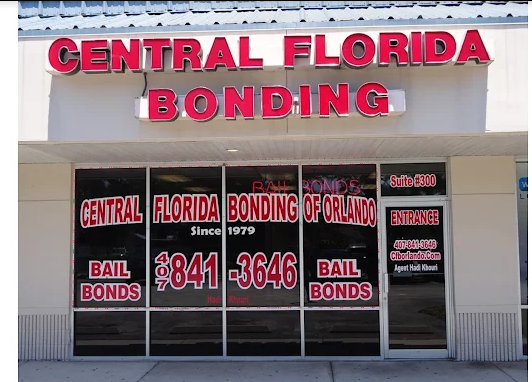
If you or someone you know has been arrested in Orange County or anywhere in Central Florida, contact Central Florida Bonding immediately at 407-841-3646. Located in the Cox Plaza, directly across from the Orange County Jail, our team moves quickly to secure your release so you can bond out quickly.